
Selling coins/currency and precious metals can be profitable for affiliates willing to develop expertise and thoroughly research the value of these assets. However, due to fraud, counterfeits, and other risks, K-BID holds affiliates to a higher standard when listing these items. This policy outlines the requirements and prohibitions related to selling coins, currency, and precious metals on K-BID.com.
Affiliate Responsibilities
-
Accurate Research & Verification
- Affiliates must verify and guarantee all details in the lot description.
- The seller/consignor cannot be the verification source.
- Proof of authenticity (or other claims) should be attached when available.
-
Full Disclosure
- All material facts must be disclosed, including year, mint mark, series number, metal content, etc.
- “AS IS WHERE IS” does not apply to coin and precious metal sales.
-
Education & Due Diligence
- If an affiliate is unwilling or unable to learn and accurately research coins/currency/precious metals, they should not post these items.
- Ignorance is not a valid excuse for misrepresenting a lot.
-
Monitoring Bidding & Auction Conduct
- If bids exceed the item’s known value by a large margin, consider halting the auction to avoid bidder confusion or reputational damage.
- Bidders rely on affiliates to act in good faith when clear value discrepancies arise.
Description Requirements
When listing coins, currency, or precious metals, affiliates should follow these guidelines:
-
Type of Asset
- Clearly name the coin, note, or precious metal product.
- Replicas
- If the item is a replica, it should be clearly stated in the description and title of the lot.
-
Weight
- When possible, specify the exact weight (for example, “One Troy Ounce,” “10 Grams,” etc.).
-
Visible Details
- Year minted, mint mark, series number, note number, and any other identifying marks.
-
Precious Metal Content
- If the description references gold, silver, or other metals, include the specific metal percentage (e.g., “Silver (90%)”).
-
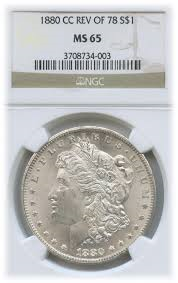
Graded Coins
- If mentioning a grade or condition in the auction description, the coin must be encased (“slabbed”) by a reputable grading company (PCGS, NGC, ANACS, etc.).
- Affiliates should not self grade coins, or put that information in the description if it's not a grade from a reputable grading company.
- Photographs must clearly show the grade and grading company name on the slab.
- If a lot includes a grade not assigned by a reputable grading company and the buyer disputes that grade, the seller is expected to honor a refund request if the buyer wishes to return the item.
Prohibited on K-BID --- Coins/Currency/Precious Metal Items
As a general guideline, if an item is readily available for $1 to $5 on sites like eBay or Amazon, it typically holds little to no additional value and is best not listed on K-BID.
To prevent confusion and protect bidder confidence, the following items should not be sold on K-BID:
- .999 Silver Bars/slabs - less than 5 grams in the lot
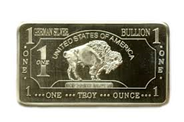
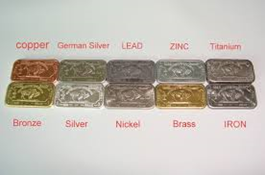
- German silver bars - Even though they say one troy ounce of silver they are plated copper.
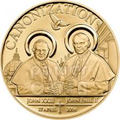
- Coins that state they are gold or silver plated
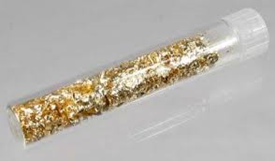
- Gold flakes or foil
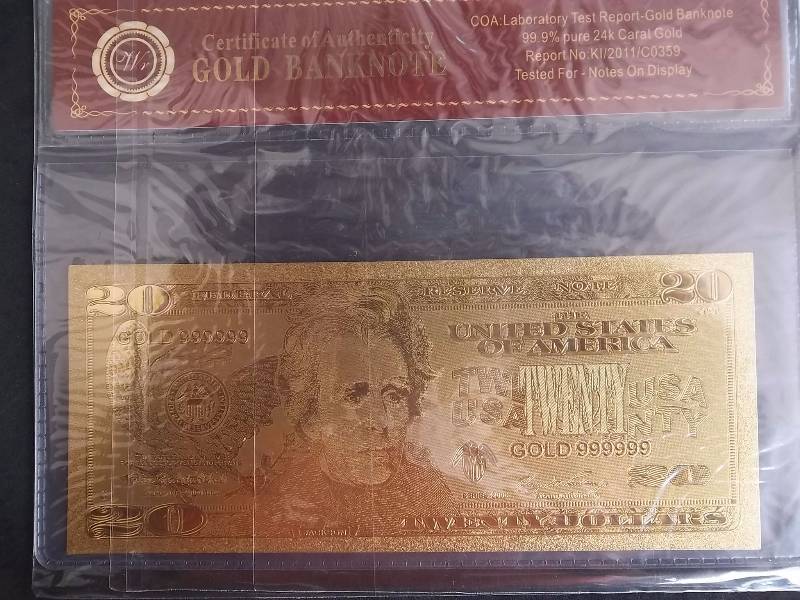
- Gold Plated Currency
- Coins stamped 'Copy'
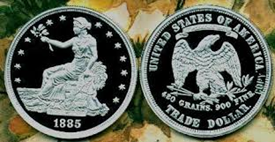
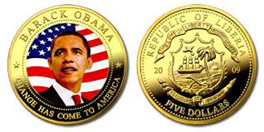
- Memorabilia coins unless the coin has a Certificate of Authenticity stating the metal content.
- Coins that are gram bars.
How to Identify Real Silver
Genuine silver jewelry or silverware will be stamped with the number 800 or 925 or a promise that the silver is sterling (ex. Ster, Sterling, Stg). If the silver does not have an identifying mark, below are a couple tests that may assist in determining real silver from fake silver.
- Real silver coins emit a ringing sound, high pitched and bell-like, when tapped together. If you flip a 1932-1964 quarter (90% silver) and a post 1965 quarter (90% copper), you should hear the difference immediately.
- Real silver melts ice. Place an ice cube on a block of silver or a silver coin and watch the ice cube melt faster than it would if it were merely left out at room temperature. Silver melts ice quickly because it has very high thermal conductivity.
- Real silver isn't magnetic. On real silver, the magnet will make a slow descent down a silver bar. On non-silver materials, it will either stick to the top of the bar or slide down very quickly.
Bullion - Safe Coins to Sell
Bullion, usually minted by the US Mint. Other countries will also produce Bullion Coins. A few examples are.
- U.S. Gold Eagles
- Canadian Gold Maples
- U.S. Silver Eagles
- Canadian Silver Maples
- South African Krugerrand
- China Pandas
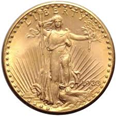
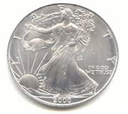
Precious Metal Content of Coins
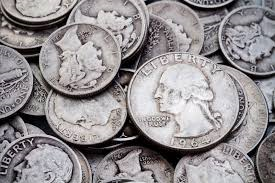
Any coin except the Nickel and the penny that were produced before 1964 is considered Junk Silver. They are 90% silver. Kennedy half dollars from 1965-1970 are 50% silver
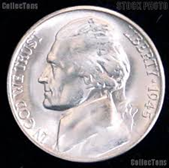
War Nickels are also silver and were produced from 1942-1945:
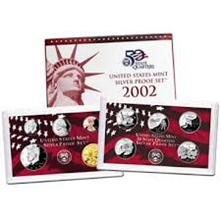
Proof sets from the US Mint
Every year the US mint will put out coin proof sets. Some are made of Silver and some are not. It is the responsibility of the affiliate to determine and disclose the silver content if selling these items.
Numismatic Coins
These are coins that have collectible value in excess of its metal content because it is historical or rare. Such as an 1880 CC Morgan silver dollar.
Be cautious when writing the descriptions for these coins. Don't include information about condition or grade for these coins, unless they were graded and encased by a reputable certified grading company.
Comments
0 comments
Please sign in to leave a comment.